Source Stress Relief Embroidered Plush Toy for Gifts and Decor
Compare 30 listings for stress relief embroidered plush toy options featuring custom designs, soft materials, and various certifications. Buyers can evaluate suppliers based on OEM capabilities, production times, and pricing to find the best fit for their needs.
Key considerations
Products List
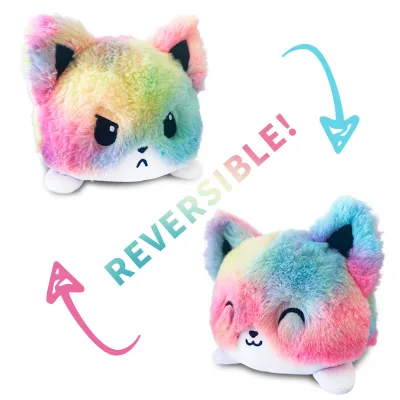


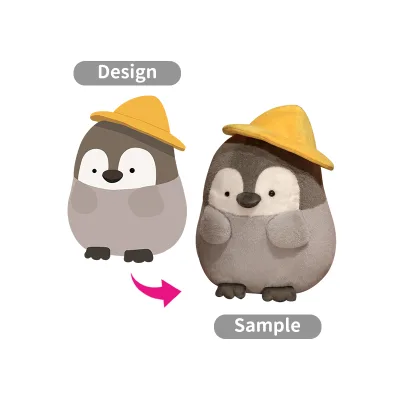


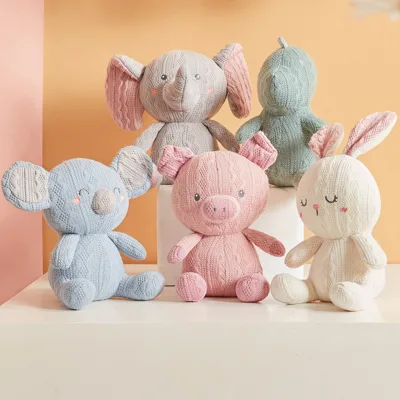


Comprehensive Sourcing Guide
Strategic Sourcing Guide for Stress Relief Embroidered Plush Toys
The global demand for stress relief products has surged, with embroidered plush toys emerging as a dominant category in the therapeutic and promotional goods market. For B2B buyers, navigating this sector requires a disciplined approach that balances aesthetic customization with rigorous safety compliance. The core keyword "stress relief embroidered plush toy" encompasses a diverse range of products, from soft, hand-crafted figures to mechanically produced desk companions. This guide synthesizes available product data and industry standards to provide a structured framework for procurement, ensuring that buyers can source high-quality, compliant, and cost-effective inventory without relying on unverified claims.
Technical Specifications and Material Composition
Understanding the technical architecture of a plush toy is the first step in defining a successful procurement strategy. The product data indicates a significant variance in manufacturing techniques, ranging from "Hand-Made" processes to "Mechanical Production." This distinction is critical as it directly influences the tactile feel, durability, and final price point of the item. Buyers must verify whether the target product utilizes a "Super Soft Fabric" or "Canvas" as the primary material, as these choices dictate the texture and the type of embroidery that can be applied without damaging the base structure.
Size specifications also vary widely within the market. While some models are standardized at 15cm or 16cm, others are defined by custom modeling sources, allowing for bespoke dimensions. The "prod_standard" field in the data suggests that size can be customized or may adhere to specific benchmarks like 24cm for certain categories. When sourcing, buyers should explicitly define the target size in the Request for Quotation (RFQ) to avoid ambiguity. Furthermore, the filling material is a key differentiator; data points to "Cotton" as a common filler, which offers a traditional, soft compressibility ideal for stress relief. However, the absence of specific density metrics in the provided data means buyers must request technical sheets detailing the fill-to-weight ratio to ensure the toy provides the necessary resistance for stress-relief applications.
Compliance and Certification Verification
Safety compliance is non-negotiable in the plush toy industry, particularly for products marketed as stress relief items for children or general consumers. The observed product data lists a robust array of certifications, including CE, EN71, ASTM, CPSIA, and Reach. These standards are not merely marketing labels but represent specific regulatory thresholds for chemical safety, flammability, and mechanical integrity. For instance, EN71 and ASTM are the primary standards for toy safety in Europe and the United States, respectively. Buyers must verify that the supplier holds valid, current certificates for these standards, rather than relying on a general claim of compliance.
Additionally, the data references BSCI and ISO9001 certifications. While BSCI (Business Social Compliance Initiative) addresses social responsibility and labor practices, ISO9001 confirms the supplier's adherence to quality management systems. These are vital for long-term partnerships, ensuring that the manufacturing process is consistent and ethical. The "Test" standard field explicitly mentions ASTM/EN71, suggesting that third-party laboratory testing is a standard part of the production workflow. Procurement teams should request recent test reports from accredited laboratories to confirm that specific batches meet these rigorous standards before shipment. Ignoring these verification steps can lead to product recalls, legal liabilities, and reputational damage in the B2B supply chain.
Cost Drivers and Pricing Dynamics
The pricing landscape for embroidered plush toys is influenced by a complex interplay of factors, including customization levels, material costs, and order volume. The observed price range in the market spans from $0.50 to $9.00 USD, a wide spectrum that reflects the diversity of product complexity. Lower-priced items typically correspond to standardized designs with mechanical production methods and minimal customization. In contrast, the upper end of the price range is driven by "Custom Design" features, hand-made techniques, and the inclusion of specific branding elements like custom logos and hang tags.
Order Quantity (MOQ) is another primary cost driver. The data indicates an MOQ range of 1 to 1000 units. Buyers seeking to minimize initial capital outlay may find suppliers willing to accept lower quantities, though the unit cost will likely be higher. Conversely, larger orders often trigger economies of scale, reducing the per-unit cost. The "Customization" attribute is a significant cost variable; options such as custom modeling sources, specific color selections from a palette of 24 options, and tailored packaging (e.g., boxed vs. OPP bag) all add to the production cost. Buyers must carefully balance the desire for unique branding against the budget constraints, ensuring that the added value of customization justifies the incremental expense.
Typical Applications and Usage Scenarios
The versatility of embroidered plush toys allows them to serve multiple functions in the B2B market. The primary usage identified in the data is as a "Gift," but the "stress relief" aspect of the core keyword expands this application significantly. These products are increasingly utilized in corporate wellness programs, healthcare settings, and educational environments. The "Unisex" gender classification and "Soft Comfortable" features make them suitable for a broad demographic, from children to adults seeking tactile comfort.
Specific product models, such as "desk buddy" or "tea cup" designs, highlight niche applications. These items are often used as office accessories to reduce workplace stress or as promotional giveaways at trade shows. The "Customized Plush Doll" and "Customized Plush Toy" labels suggest that these items can be tailored to align with specific brand identities or campaign themes. For example, a company might order custom-designed plush toys with their logo embroidered to distribute at a conference, serving as both a stress-relief tool and a marketing asset. Understanding these diverse use cases helps buyers position their procurement strategy to maximize the utility of the product for their specific end-users.
Supplier Evaluation and Production Capabilities
Selecting the right supplier requires a deep dive into their operational capabilities and production timelines. The data reveals that suppliers offer both OEM (Original Equipment Manufacturer) and ODM (Original Design Manufacturer) services, with the status marked as "Yes!" or "Acceptable." This flexibility is crucial for buyers who may need to modify existing designs or create entirely new products from scratch. The "Sample Time" is a critical metric for timeline management, with observed ranges of 3-7 working days or 7 working days depending on the supplier. Buyers should factor this into their project schedule, especially when time-to-market is a priority.
Production time is another key consideration, with estimates ranging from "About 20 Days" to "According to Order Quantity." This variability underscores the importance of clear communication regarding order volume and complexity. Suppliers located in China, specifically in regions like Jiangsu, are noted in the data, providing a geographical context for logistics and shipping. When evaluating suppliers, buyers should assess their capacity to handle "Custom Design" requests and their ability to maintain consistent quality across large batches. The "Packing" specifications, such as 30-40 pieces per carton or individual OPP bags, also impact logistics costs and storage requirements. A supplier's ability to provide flexible packaging solutions can significantly streamline the supply chain.
Quality Control and Long-Term Procurement Considerations
Maintaining product quality over time requires a robust quality control (QC) framework. The "Hand-Made" attribute suggests a higher level of artisanal attention, but it also introduces variability that must be managed through strict QC protocols. Buyers should implement a sampling plan that checks for embroidery defects, stitching integrity, and material consistency. The "Test" standards mentioned earlier, such as ASTM and EN71, should be applied not just to the initial sample but to random batches during mass production.
Long-term procurement considerations involve building a sustainable relationship with suppliers who can adapt to changing market demands. The availability of "Customized Plush Doll" options and the ability to customize labels or hang tags indicate that suppliers are equipped for evolving branding needs. However, buyers must ensure that the "prod_standard" remains consistent, even as designs change. The "Production Time" flexibility allows for adjustments in order quantities, but this requires proactive planning to avoid delays. By establishing clear communication channels and agreeing on quality benchmarks upfront, buyers can mitigate risks and ensure a steady supply of high-quality stress relief plush toys.
Comparative Analysis of Product Attributes
To facilitate decision-making, the following table summarizes key product attributes observed in the market data, highlighting the trade-offs between different production methods and customization levels.
| Attribute Category | Standard/Mechanical Option | Custom/Hand-Made Option |
|---|---|---|
| Production Method | Mechanical Production | Hand-Made |
| Material | Super Soft Fabric, Canvas | Polyester, Cotton Filling |
| Size | Fixed (e.g., 15cm, 16cm, 24cm) | Custom Modeling Source |
| Customization | Logo, Color (Limited) | Full Custom Design, Logo, Label |
| Sample Time | 3-7 Working Days | 3-7 Working Days (Variable) |
| Packaging | OPP Bag, Carton | Boxed, Customized Hang Tag |
| Certification | CE, EN71, ASTM | CE, EN71, ASTM, CPSIA, Reach |
| MOQ | 1-1000 Units | 1-1000 Units (Negotiable) |
This comparison illustrates that while standard options offer speed and lower costs, custom options provide greater differentiation and brand alignment. Buyers must weigh these factors against their specific project requirements to determine the optimal sourcing strategy.
In conclusion, sourcing stress relief embroidered plush toys requires a meticulous approach that prioritizes safety, quality, and customization. By adhering to the technical specifications, verifying certifications, and understanding the cost drivers, buyers can navigate the complex B2B landscape effectively. The flexibility of suppliers to offer OEM/ODM services and the wide range of available attributes ensure that there is a suitable product for every market segment. As the market continues to evolve, maintaining a focus on compliance and quality control will remain essential for long-term success.
FAQs
What certifications do stress relief embroidered plush toys have?
These toys typically hold CE, EN71, ASTM, CPSIA, and Reach certifications. Additional factory audits like BSCI and ISO9001 are often available to ensure ethical labor practices and consistent quality management systems throughout the production process.
How long does it take to produce custom plush toys?
Production time is generally about 20 days, though this varies according to the specific order quantity. Sample creation requires 3 to 7 working days, allowing buyers to verify designs before committing to full-scale manufacturing runs.
Can I customize the logo and packaging for these toys?
Yes, customers can provide their own logo for customization on the product. Packaging options include boxed units or OPP bags, and hang tags can also be customized to meet specific branding requirements for promotional or gift purposes.
What materials are used to make these soft plush toys?
Materials vary between Super Soft Fabric, Canvas, and Polyester, often filled with Cotton for softness. The filling density is customizable, ensuring the toy provides the necessary tactile resistance for effective stress relief applications.
What is the minimum order quantity for these products?
The minimum order quantity ranges from 1 to 1000 units depending on the supplier and customization level. Lower quantities may incur higher unit costs, while larger orders typically benefit from economies of scale in production.
Where are these stress relief toys manufactured?
Products originate from China, with specific manufacturing hubs noted in regions like Jiangsu. This location allows for diverse production capabilities ranging from hand-made techniques to mechanical production methods.